Understanding Certified Pre-Owned Vehicles: A Smart Used-Car Buying Guide
Learn how certified pre-owned vehicles differ from regular used cars, what warranties cover, and how to decide whether certification is worth the price.
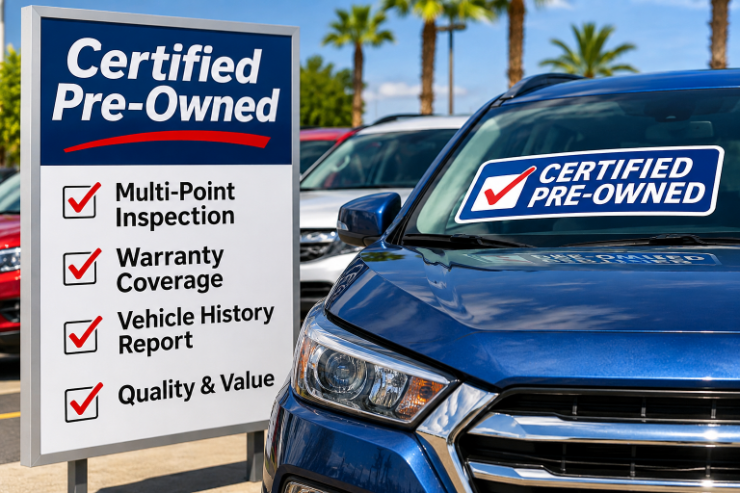
Understanding certified pre-owned vehicles can help shoppers find a used car with added protection and greater confidence. Certified pre-owned (CPO) vehicles typically undergo inspections and must meet specific age, mileage, and condition requirements.
What Makes a Vehicle Certified?
Manufacturer-backed CPO programs generally require a detailed inspection by trained technicians. Requirements vary by automaker and may include mechanical checks, maintenance reviews, and vehicle history screening. Dealer-certified programs can follow different standards.
Warranty Coverage and Benefits
Many CPO vehicles include limited warranty coverage, roadside assistance, or other benefits. Review the warranty's expiration date, mileage limits, deductibles, and exclusions. Certification does not guarantee that every repair will be covered.
Are CPO Vehicles Worth More?
Certified vehicles often cost more than comparable non-certified used cars. The additional expense may be worthwhile when warranty protection and documented inspections provide meaningful value.
What Buyers Should Check
Request the inspection report, vehicle history report, and written warranty terms. Compare prices for similar vehicles and consider an independent mechanic's inspection. Confirm whether certification is manufacturer-backed or offered only by the dealership.
The Bottom Line
A certified pre-owned vehicle can offer a useful balance between new-car pricing and used-car affordability. Compare total costs, warranty details, and vehicle condition before making your decision.