What to Look for in a Used-Car Inspection: Essential Buyer Checklist
Learn how to inspect a used vehicle for mechanical problems, hidden damage, safety concerns, and costly repairs before buying.
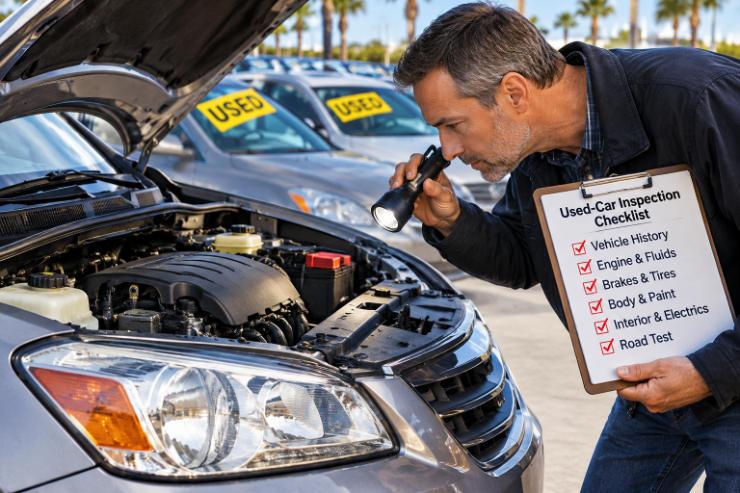
Knowing what to look for in a used-car inspection can help you avoid expensive repairs and choose a dependable vehicle. Before purchasing, examine the car carefully and arrange an independent mechanical inspection.
Start with the exterior. Look for mismatched paint, uneven body panels, rust, dents, and signs of previous collision repairs. Check that doors, windows, and the trunk operate correctly. Inspect tire tread, uneven wear, and visible sidewall damage.
Next, examine the engine compartment. Look for fluid leaks, damaged hoses, corrosion around battery terminals, and unusual odors. Check accessible fluid levels according to the owner's manual. Warning lights should illuminate during startup checks and turn off as appropriate.
Inside the vehicle, test the air conditioning, heating, lights, power windows, seat belts, and electronic controls. Watch for water stains, musty smells, or excessive interior wear.
During a test drive, listen for unusual engine noises, feel for transmission hesitation, and check braking performance. The steering should respond predictably without excessive vibration or pulling.
Review the vehicle history report, maintenance records, title status, and open safety recalls. A clean history report does not guarantee a problem-free car.
Finally, hire a qualified independent mechanic for a pre-purchase inspection. A professional evaluation can reveal hidden problems and help determine whether the asking price reflects the vehicle's condition.