A Guide to Vehicle Title Terminology: What Used Car Buyers Need to Know
Understand clean titles, salvage brands, rebuilt vehicles, liens, and ownership records before purchasing a used car.
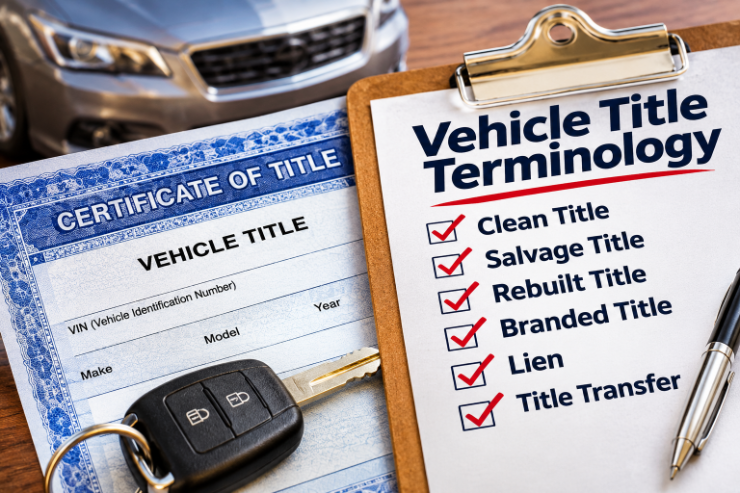
A guide to vehicle title terminology helps used car shoppers understand ownership, damage history, and paperwork before paying for a vehicle. A title is a state-issued ownership record, not a guarantee that a car is mechanically sound.
Clean title: Generally means no salvage or similar damage brand appears on the current title. It does not prove the vehicle has never been damaged.
Salvage title: Identifies a vehicle declared a total loss or otherwise classified as salvage under state rules. It may not be eligible for normal road use until required repairs and inspections are completed.
Rebuilt title: Indicates a vehicle has been repaired and titled under applicable rebuilt-vehicle rules. Ask for repair records and arrange an independent inspection.
Flood, junk, or nonrepairable: These brands warn of water damage or severe conditions that may restrict registration or road use.
Lienholder: A lender or other party with a legal claim against the vehicle. Confirm the lien is released before completing the purchase.
Title transfer: The process of legally changing ownership. Check the seller's name, vehicle identification number (VIN), signatures, and any required odometer disclosure.
Before buying, compare the VIN on the vehicle with the title and obtain a vehicle history report, including an NMVTIS report when available. Title terminology and transfer requirements vary by state. When paperwork seems inconsistent, contact the motor vehicle agency before handing over money.