Used Car Buying Checklist and Inspection Tips for Smart Shoppers
Learn how to inspect a used vehicle, identify warning signs, review its history, and avoid costly surprises before buying.
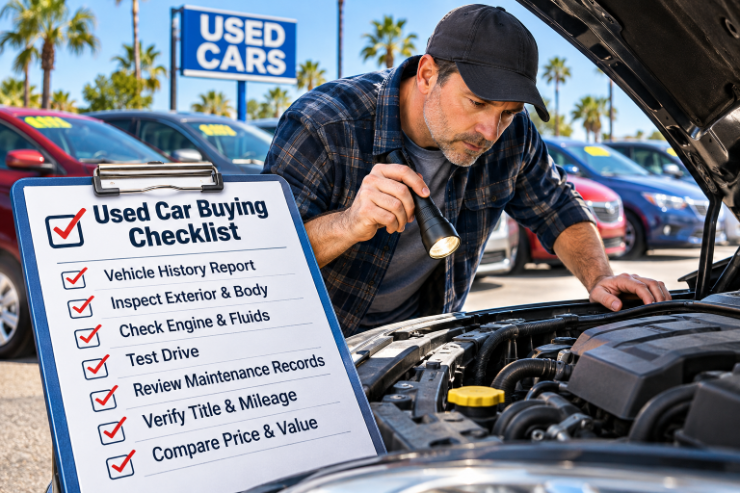
Buying a used vehicle can save money, but a used car buying checklist and inspection tips are essential for avoiding expensive mistakes. Before purchasing, examine the vehicle's condition, maintenance records, and overall value.
Start with the exterior. Look for mismatched paint, uneven body panels, rust, dents, and signs of previous collision repairs. Inspect tire tread and check for uneven wear that could indicate alignment or suspension problems.
Next, examine the interior. Test the air conditioning, heater, windows, locks, lights, seat belts, and dashboard controls. Watch for water stains, unusual odors, or warning lights that remain illuminated.
Under the hood, check for visible leaks, damaged hoses, corrosion, and low fluid levels. A clean engine compartment does not guarantee mechanical reliability.
Always take a test drive. Listen for unusual engine noises, evaluate braking performance, and notice vibrations, steering problems, or rough transmission shifts. Drive on different road surfaces when practical.
Request a vehicle history report and compare its information with the title, odometer, and maintenance records. Check for open safety recalls using the vehicle identification number.
Before paying, arrange an independent mechanic's inspection. Confirm the total purchase price, applicable fees, financing terms, and title status. Never rely solely on a seller's verbal promises.
A careful inspection helps buyers compare vehicles confidently and make smarter purchasing decisions.