Comparing Used Car Ownership Costs: What Buyers Should Know
Look beyond the sticker price to understand how financing, insurance, fuel, repairs, and depreciation affect your used car budget.
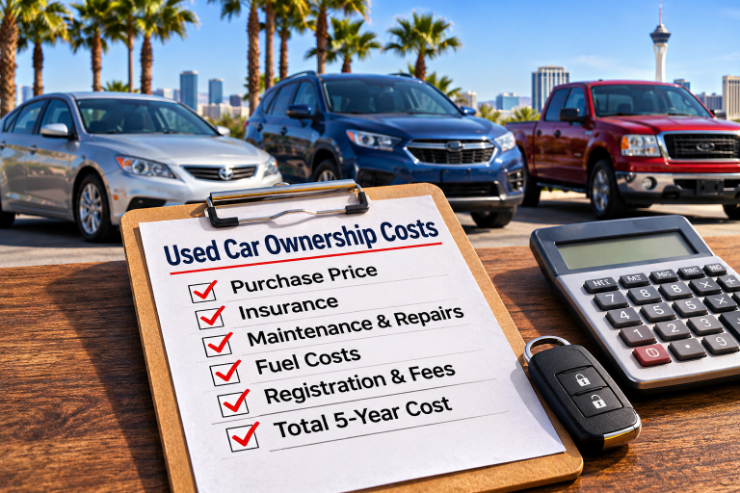
Comparing used car ownership costs is one of the smartest steps buyers can take before choosing their next vehicle. A low purchase price may look attractive, but insurance, fuel, maintenance, financing, and depreciation can make an inexpensive car surprisingly costly over time.
Start with the purchase price and financing. Compare the total amount paid, including sales taxes, registration fees, loan interest, and dealer charges. A smaller monthly payment does not always mean a better deal, especially when the loan stretches over additional years.
Next, estimate fuel expenses using the vehicle's fuel economy and your expected annual mileage. A fuel-efficient sedan may cost considerably less to operate than a larger SUV, although driving habits and local gasoline prices influence the difference.
Insurance is another important expense. Request quotes for each vehicle before purchasing because premiums vary by model, driver, location, coverage, and insurer.
Maintenance and repairs deserve equal attention. Review service records, research common mechanical problems, and budget for tires, brakes, fluids, and unexpected repairs. An independent pre-purchase inspection can reveal problems that might otherwise become expensive surprises.
Finally, consider depreciation and resale value. Compare estimated ownership expenses over three to five years rather than focusing only on today's asking price.
The best used car is not necessarily the cheapest one. It is the vehicle that provides dependable transportation at a total cost your budget can comfortably support.